


Two Vape Retailers Sue RI in Federal Court to Block New Law, Claim It Will Force Closure
GoLocalProv News Team
Two Vape Retailers Sue RI in Federal Court to Block New Law, Claim It Will Force Closure
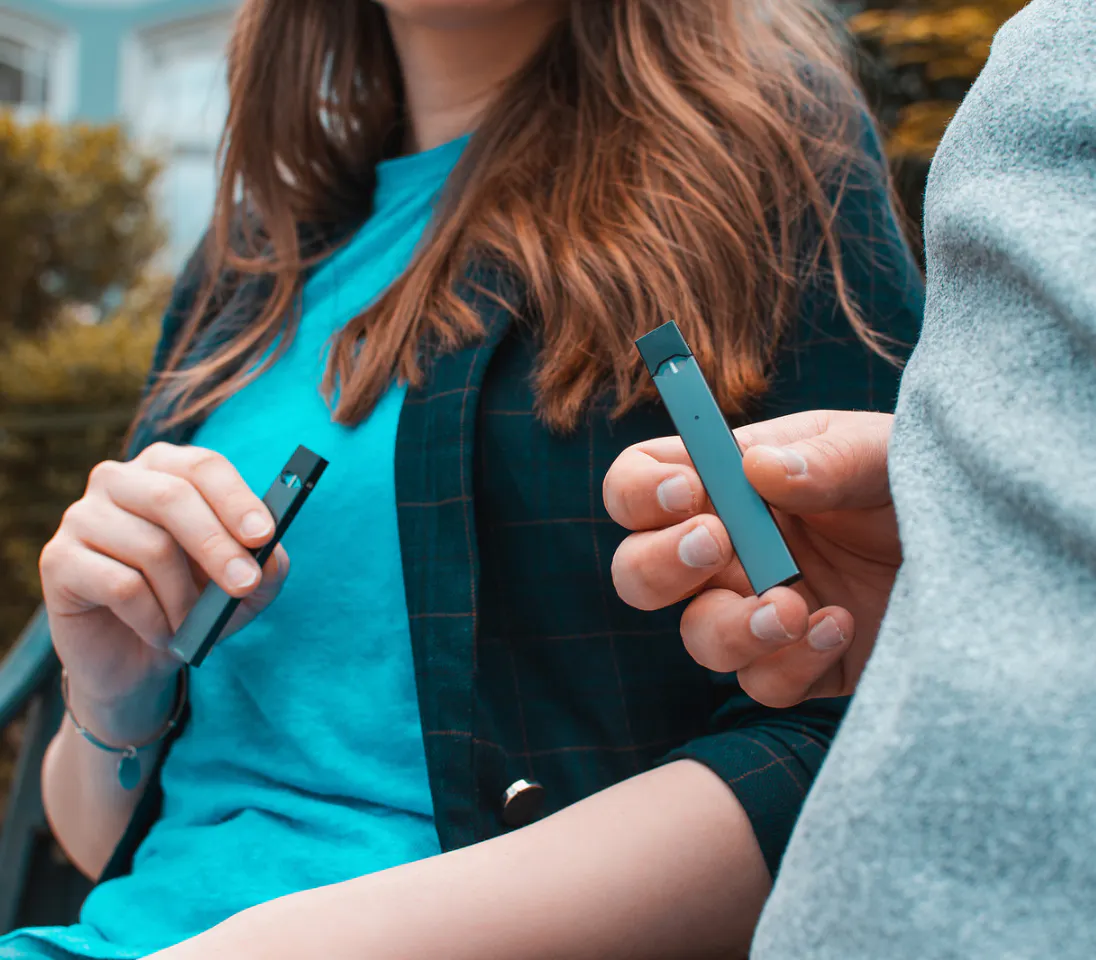
The two small businesses claim that the law will devastate their operations as they derive 70% of their income from selling flavored vaping products.
The businesses and the jobs they provide will not be able to survive, the stores in the 26-page lawsuit filed in federal court in the District of Rhode Island.
GET THE LATEST BREAKING NEWS HERE -- SIGN UP FOR GOLOCAL FREE DAILY EBLASTThe lawsuit argues, in part, that the new regulations will adversely impact public health and is de facto “irrational” as it will result in more people smoking cigarettes.
Effective on January 1, 2025, a Rhode Island law bans these products.
Specifically:
Flavored electronic nicotine-delivery system (ENDS) products, also known as vapes, are banned in Rhode Island. The sale, or offer for sale of, or the possession with intent to sell or to offer for sale, flavored ENDS products to individuals in Rhode Island is prohibited by law.
Flavored electronic nicotine-delivery system product” means any ENDS product that imparts a characterizing flavor or aroma. Examples of characterizing flavors include, but are not limited to, any fruit, mint, chocolate, honey, or spice or which impart a cooling or numbing sensation. The taste or aroma of tobacco or menthol is not considered a characterizing flavor.
The lawsuit claims that banning vaping will increase the harmful smoking of cigarettes.
“Restrictions on the sale of flavored ENDS products leads to increased conventional cigarette sales. Specifically, an October 2023 study published by researchers from the Yale School of Public Health, the Georgetown University School of Medicine Department of Oncology, and the University of Missouri Department of Economics finds that e-cigarette flavor restrictions yield an additional 12 cigarettes purchased for every 1 less 0.7mL e-cigarette pod sold,” according to the lawsuit.
In November of 2019, GoLocal reported that according to the Rhode Island Department of Health's (RIDOH) 2019 Youth Risk Behavior Survey (YRBS), 10.2% of high school students report frequent use of “electronic vapor products.”
RIDOH said just 3.7% of Rhode Island high school students vaped in 2017.
“These numbers are a wake-up call for all of us. Electronic cigarettes are dangerous. They’re also responsible for getting more teenagers addicted to nicotine every year, primarily because of products that come in candy-like flavors. That’s why I took action this September. Nothing is more important than the health and well-being of our kids,” said former Governor Gina Raimondo.
Since that report, RIDOH has continued to push for stronger regulations.

The lawsuit argues that the two businesses bringing the action will be severely harmed.
Vaporetti has been in business since 2011 and was founded by a former smoker who says she quit her 27-year smoking habit using vape products. Vaporetti has one store located in East Providence and the other business is Sunshine, which has been in business since 2013 and was opened to "assist adults who use electronic cigarettes as a smoking cessation tool." Sunshine owns three stores, located in South Kingstown, Warwick, and Providence, according to the lawsuit.
“Together, the retailers employ approximately 12 people, have four retail locations, and are a dynamic part of the Rhode Island economy. The small businesses have contributed more than $898,000 in Rhode Island state taxes in the past four years, according to the lawsuit,” claims the lawsuit.

The lawsuit, filed by Adam M. Ramos and Mackenzie C. McBurney of the Providence-based law firm Hinckley, Allen & Snyder LLP, claims that the new regulations are "irrational and fail to serve a legitimate governmental purpose.”
Further it claims that the effort by state regulators was to protect high schools students from vaping and that the law passed by the Rhode Island General Assembly goes far beyond that effort to protect public health in young people.
“The Act’s legislative history demonstrates that the State was concerned with reducing or eliminating the use of flavored ENDS products by high school students in Rhode Island. Banning the sale of flavored ENDS products to adults twenty-one (21) and over is completely unrelated to curbing youth access to flavored ENDS products and does not further that goal,” states the lawsuit.
Further, “Curbing youth use of flavored ENDS products is not furthered by the Act because the sale of flavored ENDS products to persons under the age of twenty-one (21) years old already is prohibited by Rhode Island law.”
The lawsuit also claims that the lawsuit is fundamentally flawed as it exempts cannabis compassion centers and licensed cultivators can continue to sell the products.
The two retailers' lawsuit includes eight counts. The counts include that the law is a violation of due process and it is a deprivation of equal protection both under the 14th Amendment. In addition, the suit claims that the law is a regulatory taking.
The suit seeks that the court issue a temporary restraining order against the implementation of the state law.