


Biden Fails to Exploit the Geopolitics of Energy - Mackubin Owens
Mackubin Owens - MINDSETTER™
Biden Fails to Exploit the Geopolitics of Energy - Mackubin Owens
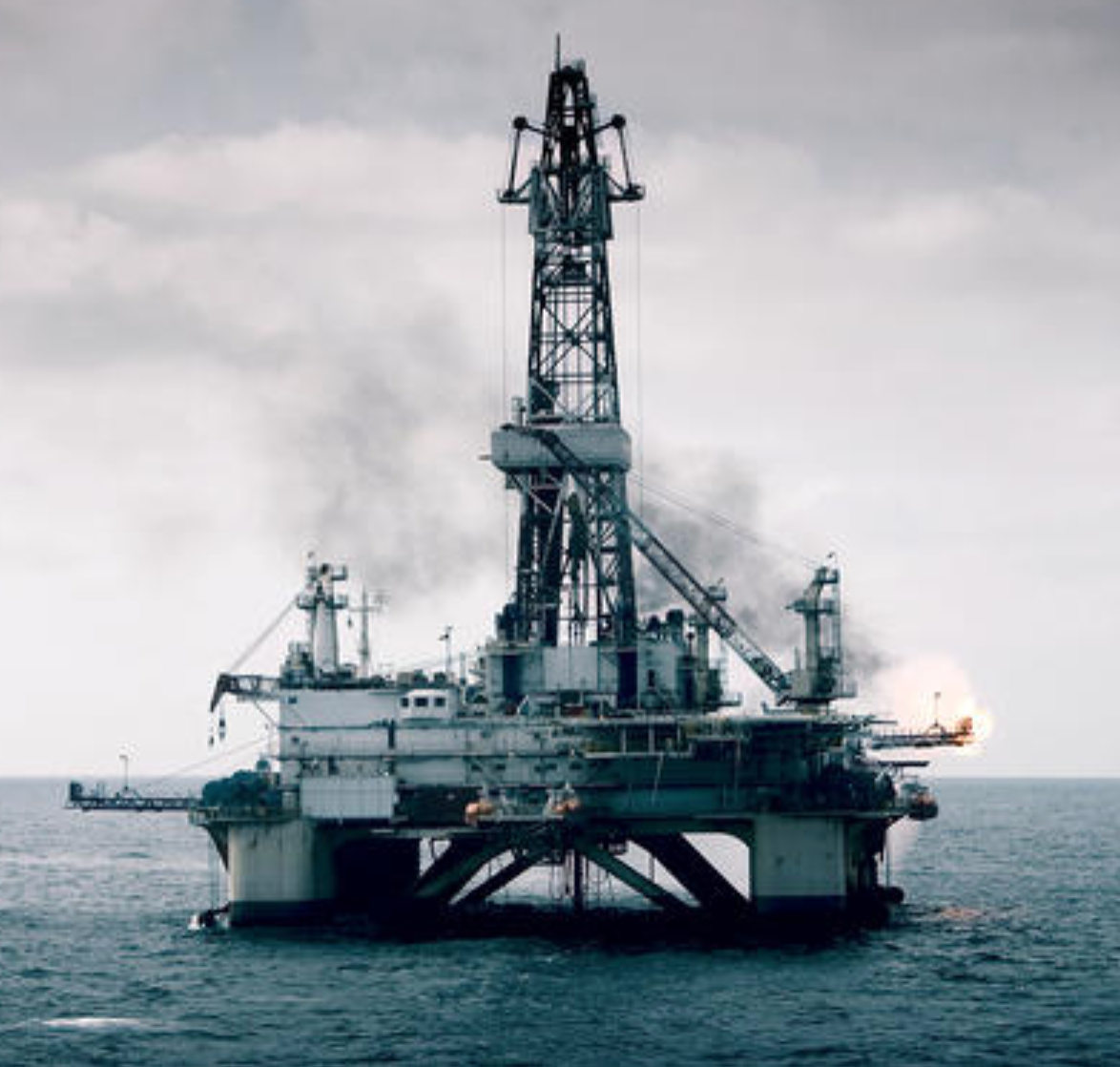
His administration banned offshore drilling in many areas. It curbed production on federal lands. It delayed approval of the Keystone XL pipeline, a 1,179-mile pipeline between the United States and Canada, which would have carried approximately 800,000 barrels of oil a day into the United States. It opposed the development of Canada’s huge oil sands. It resisted hydraulic fracturing (“fracking”) and directional drilling, a revolutionary development in oil and gas production.
One of the pillars of former President Trump’s foreign policy was to prioritize economic growth, especially by leveraging the new geopolitics of energy. By reversing Obama’s course on energy and moving expeditiously to lift regulations that hampered U.S. domestic energy production, Trump enhanced U.S. economic health and security while also reducing carbon emissions. As a result, the United States had become the largest oil and gas producer in the world by the time Trump left office, which provided the United States a great deal of leverage in foreign policy, especially in our dealings with Russia and the Arab oil-producing states of the Middle East.
GET THE LATEST BREAKING NEWS HERE -- SIGN UP FOR GOLOCAL FREE DAILY EBLASTPresident Biden has returned us to Obama’s war on energy, to the detriment of both domestic prosperity and national security. On his first day in office, Biden signed 17 executive orders, including two dealing with U.S. oil and gas production.
One EO pledged that America would rejoin the Paris climate accords and commit to the deal’s targeted reductions in carbon dioxide emissions, despite the fact that US emissions have been declining for years. The other order blocked oil and gas exploration in the Arctic National Wildlife Refuge, forbade drilling in large parts of Utah, and revoked permits to build the Keystone XL pipeline. One week later, Biden stopped issuing new oil and gas leases on public lands. Indeed, the administration has issued fewer oil leases than any president since the Second World War. He has also made clear his opposition to fracking, one of several policies that disincentivized domestic fossil fuel production and refinery capacity.
We are reaping the consequences of Biden’s policies. After a short reprieve, prices at the pump are rising again. Heating oil prices are expected to soar this winter. Meanwhile, the president has drained the Strategic Petroleum Reserve (SPR) to its lowest level since 1984. And despite what CNN called a "full-scale pressure campaign" by the Biden administration, the OPEC+ cartel announced a cut in production by 2 million barrels a day. Of course, it doesn’t help that Biden called Saudi Arabia a “pariah state” during the 2020 presidential campaign and that we are waging a proxy war against Russia, which is the + in OPEC +.
National Security Adviser Jake Sullivan claimed recently that OPEC's cuts were "a reminder of why it is so critical that the United States reduce its reliance on foreign sources of fossil fuels." Of course, what he meant is that we must speed up the “green-energy” agenda at the cost of trillions of dollars. But the idea that “renewable” energy sources such as wind and solar can replace oil and gas in an economically viable manner any time soon, if ever, is a cruel fiction.
The reason why is explained by physics and basic economics. Energy available from wind and solar is diffuse rather than concentrated, which means that windmill or solar-panel farms must be huge to generate much power. (Even then, clouds and/or lack of wind can slow or stop production, so utilities would need backup generators powered by fossil fuels.) These alternatives are far too expensive and unreliable to compete on the market. By forcing such costly options on the public and subsidizing them via tax breaks and the like, this bill will hit Americans both as ratepayers and taxpayers.
It seems to me that there is a reason why Putin chose to “annex” Crimea in 2014 and launch his invasion of Ukraine earlier this year. In both cases, it was our policy to forego the geopolitical leverage of energy, which we possessed during the Trump presidency. I pride myself on being conversant with such strategic thinkers as Clausewitz and Sun Tzu. I have never seen evidence that either of them advised a combatant to give up a weapon that provides it with a distinct advantage. Putin is pleased, no doubt.