


Leading Invenergy Opponent Roselli Declares for Gov. Against Raimondo in Primary on GoLocal LIVE
Leading Invenergy Opponent Roselli Declares for Gov. Against Raimondo in Primary on GoLocal LIVE
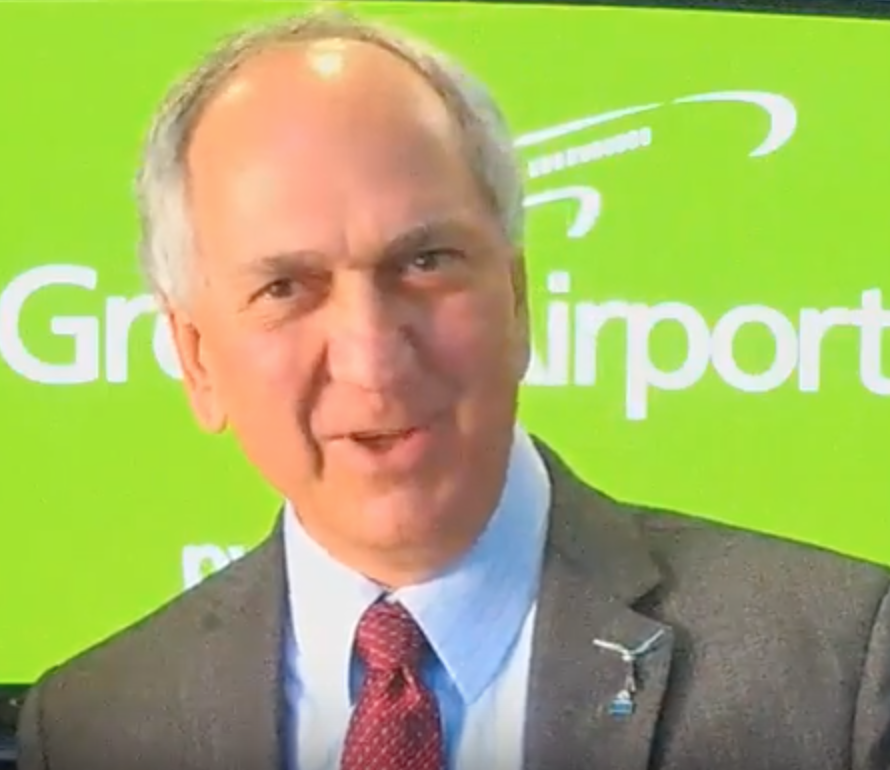
"I am running for Governor -- Raimondo has ignored 'ordinary citizens,'" said Roselli.
Raimondo is expected to seek reelection in 2018 for Governor.
About Roselli
Roselli is a graduate of LaSalle Academy and earned two degrees from the University of Rhode Island. Professionally, he is a documentary maker and involved in environmental education.
Roselli stands in stark contrast to Raimondo — he being a populist, progressive, and Raimondo often tied to Wall Street interests due to her career as a venture capitalist and her fundraising from New York business interests.
Roselli, who initially filed as an independent, changed to Democrat. "I realized I wanted to be able to face-off against [Raimondo] more," said Roselli. "This is about her taking the Invenergy check out in Chicago."
Request for comment from Raimondo’s campaign was not responded to at a time of publication.
Morning Consult Poll
In July, GoLocal reported, that Raimondo had an approval rating of 43% in the Morning Consult Poll.
The list of "Most and Least Popular Governors" saw Massachusetts' Charlie Baker take the top spot for approval nationwide at 71% -- and Raimondo come in fifth in New England, with struggling Connecticut's Dan Molloy at 27%, who Morning Consult noted "remains the most unpopular Democratic governor in the country."
Wrote Morning Consult:
Bruce Rauner (R-Ill.) and Gina Raimondo (D-R.I.), two governors facing difficult paths to re-election next year, are also among the most unpopular governors. Almost half (47 percent) of Rhode Islanders said they disapprove of Raimondo while the share of voters approving of her job performance declined 5 points, to 43 percent.