


90% of Women with Sleep Apnea Not Diagnosed: Warren Alpert Medical School's Sharkey LIVE
90% of Women with Sleep Apnea Not Diagnosed: Warren Alpert Medical School's Sharkey LIVE
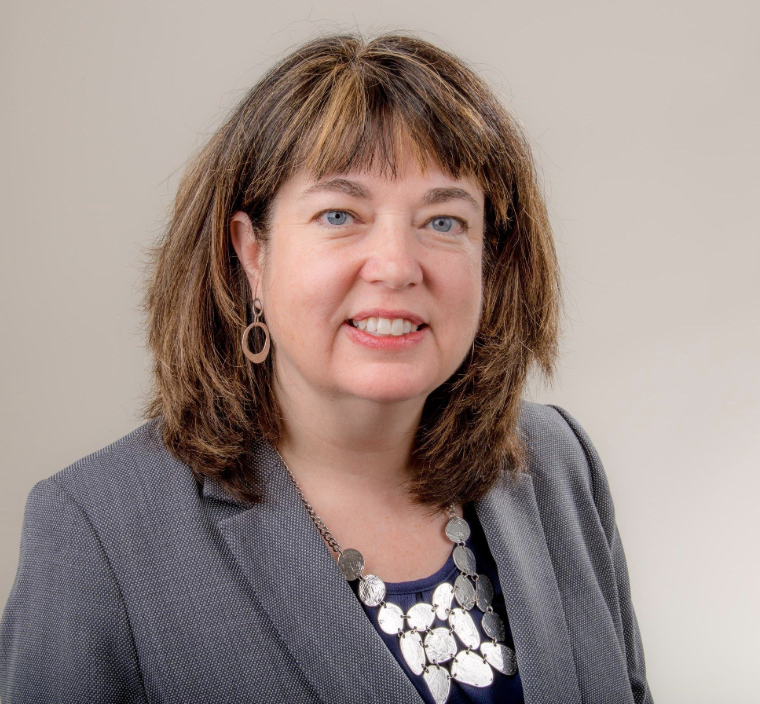
Sharkey, who is Associate Professor of Medicine and of Psychiatry and Human Behavior and Assistant Dean for Women in Medicine and Science, as well as a physician at Brown Medicine, joined GoLocalProv News Editor Kate Nagle at the brand new Brown Medicine Sleep Center located at Brown's multi-specialty practice at 375 Wampanoag Trail in East Providence on Wednesday.
"We now have the ability to measure for sleep apnea at home," said Sharkey "It is estimated that 90% of women with sleep apnea are not diagnosed, because it was thought to be a 'men’s disease.' It can go undiagnosed [but] now we have home monitors that can detect sleep apnea at home. Not everyone who suspects sleep apnea needs to come overnight in the sleep lab, it that’s a barrier to being evaluated."
"I want to absolutely send the message that you can come during the day, meet with somebody who can teach you how to use [the detecting machine], you go home that night, sleep in your own bed, at least we’ll know if it’s sleep apnea or not," said Sharkey. "And because it’s so common, [in] an estimated 24% of men and 9% of women, so if a guy’s in a room with 3 other guys, one of them has it. That’s a lot of people. And because it associates with so many other co-morbid conditions, you really want to be treated."
Sleep Labs in Focus
Sharkey spoke to who might need to come into Brown's sleep labs -- and why.
"I’d love to demystify it for people who might need a sleep study," said Sharkey. "Generally we see patients for two reasons — either they’re too sleepy during the day or they’re not sleeping well enough at night. And if we suspect a sleep disorder that we can detect with an overnight sleep study in the lab, then we have them come in here."
"Oftentimes people think they’re coming in to see us and they’re going to have to sleep here that night. That’s not how it goes down," said Sharkey. "We schedule it according to their schedule and we’re open seven nights a week, so people can come in, we attach electrodes on their brain so we can measure their EEG — so their brain waves — and then we measure respiration and heart rhythms and leg movements and all the different physiological signals — and then we can detect if there’s a sleep disorder."
Sharkey spoke to the symptoms if people have, they might want to seek a physician's input.
"There are obvious things — ‘I’m falling asleep at work' or 'I’m afraid I’m going to crash my car' — those are red flags and obviously they should get taken care of right away," said Sharkey. "Sometimes it’s more subtle, sometimes it’s ‘I have depression and it’s not getting better’ sometimes, “It’s my blood pressure I’m on four medications and my doctor still can’t get it down’ or ‘I’m doing my best with my diabetes and it’s still not getting better’ — so the neurons in our brains — the nerve cells that control sleep and eating are right next to each other in the brain, so fragmented sleep can have an effect on appetite, obesity, there’s a high correlation to being overweight and having sleep issues."
Brown at Forefront
Since granting its first Doctor of Medicine degrees in 1975, the Warren Alpert Medical School has become a national leader in medical education and biomedical research. By attracting first-class physicians and researchers to Rhode Island over the past four decades, the Medical School and its seven affiliated teaching hospitals have radically improved the state's health care environment, from health care policy to patient care.
"I think a place where Brown is leading is in a team science and team clinical way. Everybody on the healthcare team and everybody on the research team has an important role — and if everybody thinks they can contribute regardless of rank, and know your job and be awesome at it — we’ve valuing that a higher level," said Sharkey.