


In RI, It Is Going to Get Even Harder and More Expensive to Buy a Home
GoLocalProv Business Team
In RI, It Is Going to Get Even Harder and More Expensive to Buy a Home
.jpg)
Here are four major reasons:
First, data from the Rhode Island Association of Realtors released last week shows that the price of a single-family home in December of 2021 was 15.4% higher than in December of 2020.
GET THE LATEST BREAKING NEWS HERE -- SIGN UP FOR GOLOCAL FREE DAILY EBLASTThe median price of a single-family home is now $375,000.
Second, the inventory is running at record lows.
Realtors report that there was less than a one-month supply of homes available for sale at the end of December, far below the six-month supply that typically characterizes a market balanced between supply and demand.
December was the second month this year that inventory levels fell below the one-month mark. With only 958 such listings on the market last month, the shortage of housing that has plagued the market in recent years, continued to create difficulties for homebuyers, according to the Realtor.
The supply shortage fueled higher prices throughout last year, as buyers competed for a dwindling number of homes for sale.
“Sales activity has slowed from 2020, but the housing market is still moving along pretty aggressively. In the latter part of 2021, we did start to see some buyers take a break from their home search, due to the intensity of competition and buyer fatigue. The expectation of higher interest rates, however, could lead many of those prospective buyers to jump back into the market, in the hopes that they can secure a home at today’s lower rates,” said Agueda Del Borgo, President of the Rhode Island Association of Realtors.
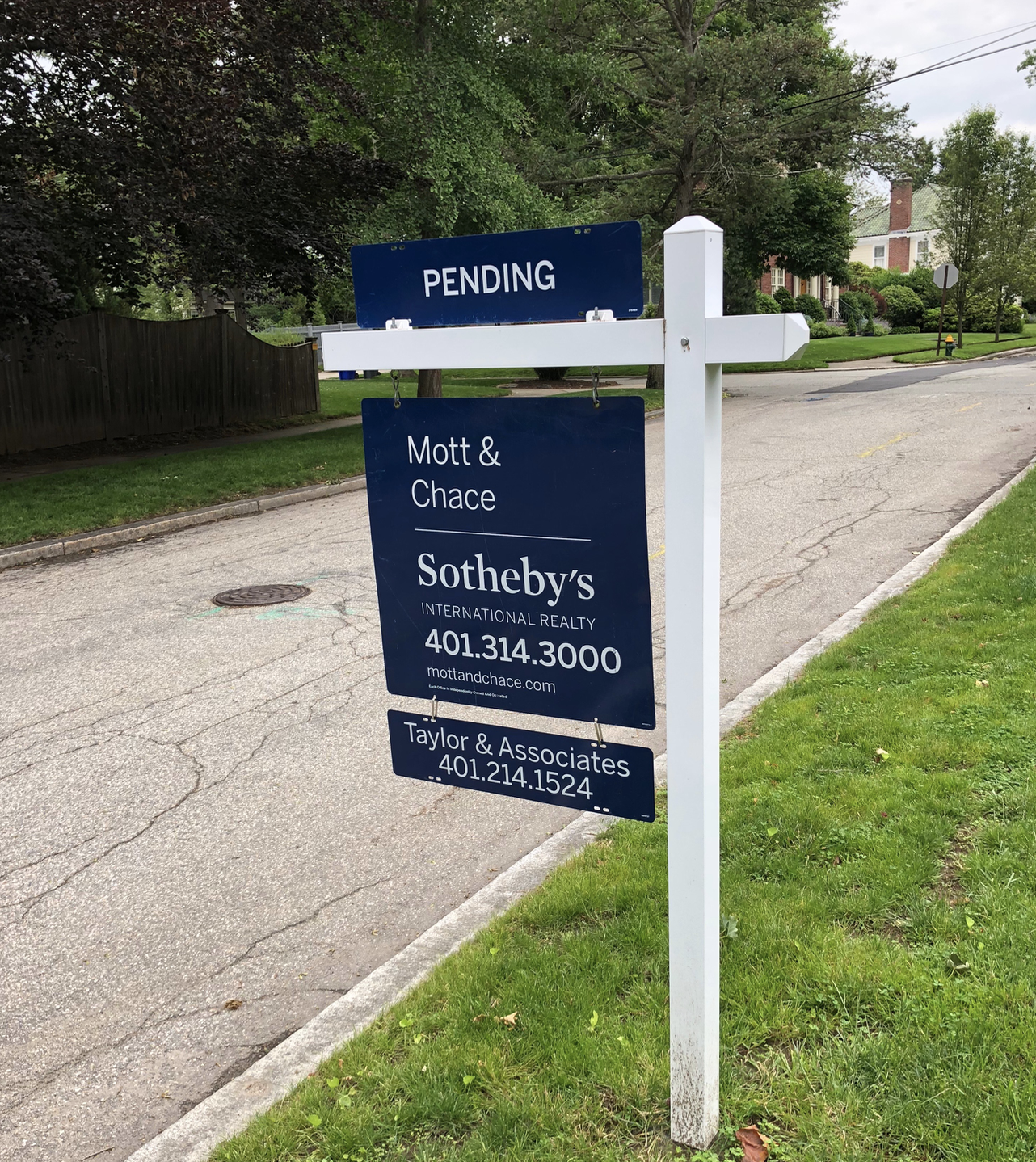
According to the real estate website Commercialcafe.com, Providence ranks second in the Northeast for gaining population.“Overall, our study found that smaller-sized metro areas anchoring one of the Northeast’s largest metros were the biggest winners in metro-to-metro migration trends. Such commuter towns and suburban areas attract residents from the high-density metros of which they are a satellite thanks to their lower costs of living and commuting opportunities. Of the Northeastern metros gaining the most residents from other metro areas, Providence, R.I., is the largest with 1.67 million residents as of 2020. The rest all had less than 1 million residents, highlighting smaller metros in the region as hotspots for relocations."
“Rhode Island’s housing market remained extremely active, right through the end of the year and I don’t expect any significant change in the foreseeable future. The same trends are still in force – we have pent-up demand but an extremely low supply. It will take some time to see a change in direction on either end, especially in tackling how to get more inventory into the pipeline.” said Del Borgo.
Fourth, interest rates are now beginning to climb. The Federal Reserve announced in December it is prepared to raise its short-term benchmark rate at least three times to cool high inflation.
“As expected, officials also approved plans to more quickly scale back its pandemic stimulus efforts in response to hotter inflation, opening the door to rate increases starting next spring,” reports the Wall Street Journal. "Fed officials voted to hold rates near zero on Wednesday, but the latest projections are a significant shift from just three months ago. In September, around half of those officials thought rate increases wouldn’t be warranted until 2023, It is the latest sign of how an acceleration and broadening of inflationary pressures, together with signs of an ever-tighter labor market, is reshaping officials’ economic outlook and policy planning."
Now, interest rates are climbing. Today, interest rates are already at their highest level in the past 22 months and are expected to climb higher.
The combination of these trends is expected to make the buying process more difficult especially for first-time and middle-class homebuyers in 2022.