


What If A Major Storm Hits RI?
Lauren Marchetti & Dan McGowan, GoLocalProv News Contributors
What If A Major Storm Hits RI?
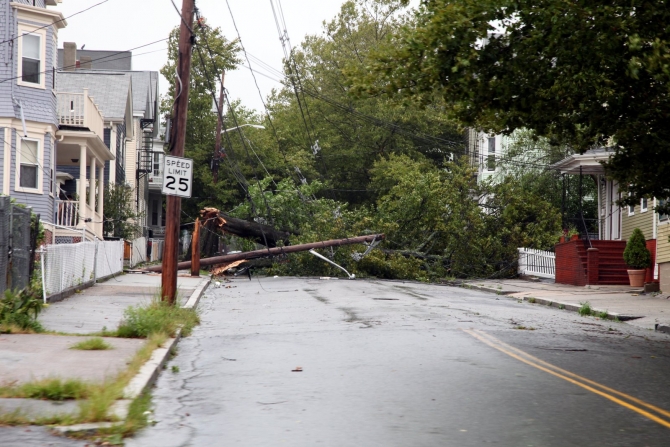
Which begs the question: If Irene was able to make 300,000 households go dark and push the start of the school year back by one week in some cities and towns, what would happen if a more devastating storm hit the Ocean State?
GoLocalProv asked the experts to explain what kind of impact a severe hurricane might have had on the state.
GET THE LATEST BREAKING NEWS HERE -- SIGN UP FOR GOLOCAL FREE DAILY EBLASTCatastrophic Damage
The entire eastern seaboard was made aware of the hurricane days in advance, but by the time Irene hit Rhode Island, the winds had subdued slightly and it was downgraded to a tropical storm. Still, GoLocalProv Meteorologist John Ghiorse said while there were not sustained winds in the area, there were plenty of individual gusts of hurricane force winds.
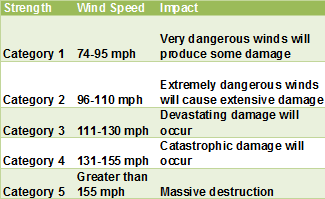
According to the National Hurricane Center, a Category 1 hurricane must have sustained winds between 74-95mph. Some damage, including downed power lines and trees, usually occurs. By comparison, a Category 2 jumps into the 100mph range in terms of winds and causes more significant damage. If that kind of storm had hit Rhode Island, Ghiorse said the problems would be greater than falling trees and lost power.
“I really can't say what order of magnitude the damage to trees and the power infrastructure would be, but it would be significantly greater,” Ghiorse said. “So multiply that problem by 3x, 5x, 10x or whatever. However, other problems that did not show up in this storm would be present in a stronger event such as structural damage to dwellings (not tree related!), church steeples, signs, etc.”
Ghiorse said there would be potential for catastrophic damage.
“Also, we'd face potentially catastrophic damage to infrastructure such as water and sewer treatment plants, roads, bridges, etc,” he wrote. “Also, the coast would take a much bigger hit with storm surge sweeping away houses, roads, etc. and, of course massive damage to pleasure boats and fishing fleets, etc. Just look at the pictures of the '38 hurricane and Carol in '54 and that is what you'd see, only multiplied, again, by a much greater facto.”
Economy Would Come To A Screeching Halt
A major hurricane would also cause more damage to the state’s weak economy, according to Dr. Edward Mazze, Distinguished University Professor of Business Administration at the University of Rhode Island. Mazze told GoLocalProv that if Irene was a category 2 or higher hurricane, the state’s slow economic recovery from the recession would have come to a “screeching halt.”
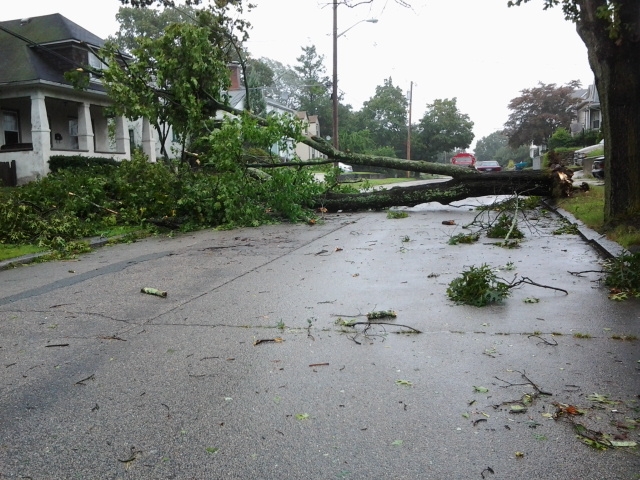
“Cities and towns would have taken a beating on their budgets because of ‘clean up’ costs,” Mazze said. “Lack of electrical power and access to the internet would affect businesses in every sector of the RI economy.”
Mazze also said the state would become a drawing card to fly-by-night businesses that would try to benefit from individual's hardships. On Tuesday, Attorney General Peter Kilmartin issued a press release warning residents to be wary of price gouging and storm scammers.
RI Dodged A Bullet
In the days leading up to Irene, FM Global, one of the world’s largest commercial property insurers, predicted that because of all the major metropolitan areas it was expected to hit, the storm could have caused more property damage than Hurricane Katrina, which devastated the south in 2005.
But Gerry Alonso, FM Global’s Senior Vice President of Claims, said there have not been many claims filed so far. He compared Irene to a preseason game and urged Rhode Islanders to reflect on what was learned from the event as well as recognize the steps to be better prepared next time.
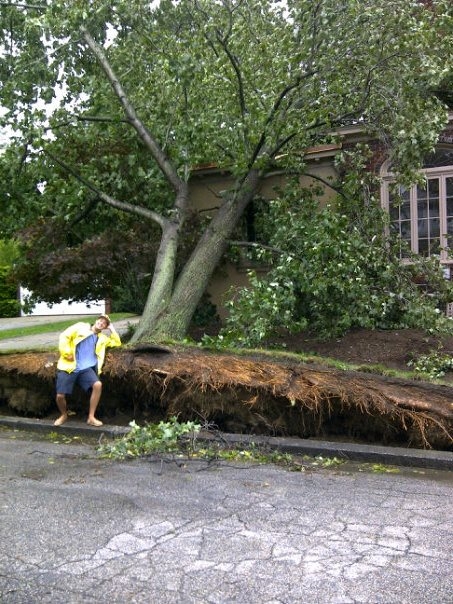
“Rhode Island dodged a bullet,” Alonso said. “I’ve been reflecting on what we did in the days leading up to the storm. Preparedness is the key to surviving.”
Now the concern is that Rhode Islanders won’t take the next storm quite as seriously, which Alonso said is the last thing anybody should do, especially businesses.
“Complacency is the number one killer of businesses,” he said.
Recovery Continues
By Tuesday evening, National Grid had restored power to more than 200,000 homes, but over 100,000 Rhode Islanders were still out of power because of the storm. Had the storm been slightly worse, it’s conceivable that the overwhelming majority of the state could have lost power for an extended amount of time.
Graves pointed to areas along the South Coast that were particularly affected. He said because the state is more densely populated, a larger percentage of residents lost power compared with Connecticut.
And because they’re on the front line when it comes to helping the state recover, National Grid isn’t asking, “what if?”
“This was the first storm of this severity in twenty years,” National Grid spokesman David Graves said. “We planned for this or several days.”