


U.S. Shells Out $290M to Stockpile Radiation Sickness Pills — Made by Amgen
GoLocalProv News Team
U.S. Shells Out $290M to Stockpile Radiation Sickness Pills — Made by Amgen
“As part of long-standing, ongoing efforts to be better prepared to save lives following radiological and nuclear emergencies, the U.S. Department of Health and Human Services is purchasing a supply of the drug Nplate from Amgen USA Inc; Nplate is approved to treat blood cell injuries that accompany acute radiation syndrome in adult and pediatric patients (ARS),” announced the Administration for Strategic Preparedness & Response.
Amgen — which has a manufacturing facility in West Greenwich — told GoLocal it is their policy not to disclose where specific drugs are produced.
GET THE LATEST BREAKING NEWS HERE -- SIGN UP FOR GOLOCAL FREE DAILY EBLAST“Amgen, based in Thousands Oaks, California, developed Nplate for ARS with support from the Biomedical Advanced Research and Development Authority (BARDA), part of the HHS Administration for Strategic Preparedness and Response (ASPR), as well as the National Institute of Allergy and Infectious Diseases, part of the National Institutes of Health,” HHS continued.
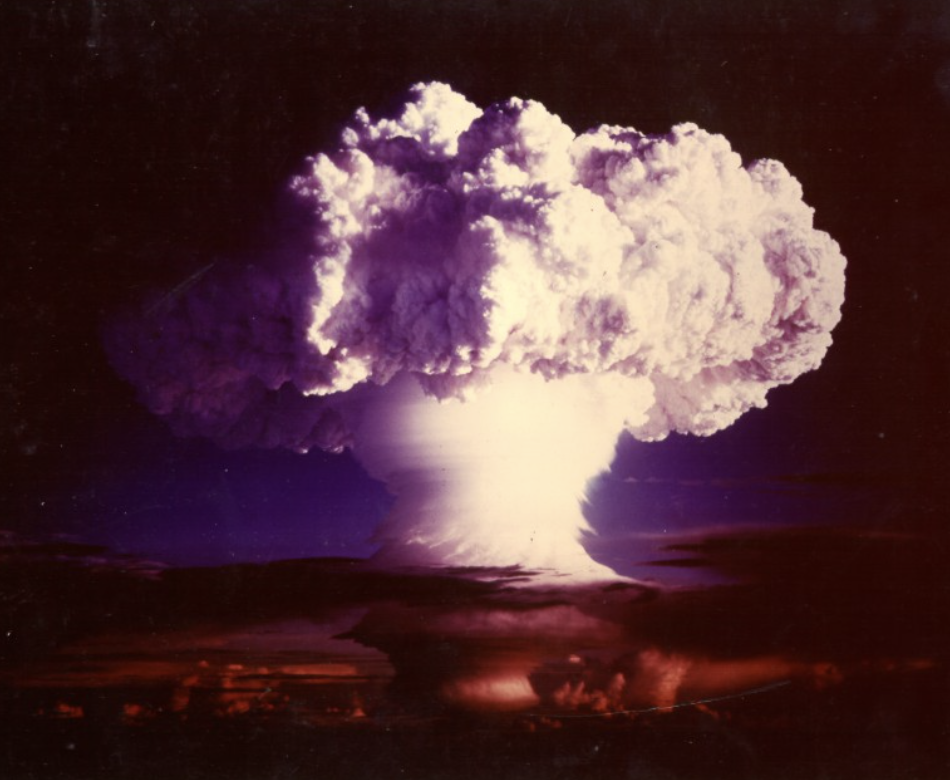
The news comes as Russian President Vladimir Putin is reportedly set to demonstrate his willingness to use weapons of mass destruction with a nuclear test on Ukraine’s borders, according to The Times.
More About Purchase
HHS released the following:
"BARDA is using its authority provided under the 2004 Project Bioshield Act and $290 million in Project BioShield designated funding to purchase this supply of the drug.
Amgen will maintain this supply in vendor-managed inventory. This approach decreases life-cycle management costs for taxpayers because doses that near expiration can be rotated into the commercial market for rapid use prior to expiry and new doses can be added to the government supply.
ARS, also known as radiation sickness, occurs when a person’s entire body is exposed to a high dose of penetrating radiation, reaching internal organs in a matter of seconds. Symptoms of ARS injuries include impaired blood clotting as a result of low platelet counts, which can lead to uncontrolled and life-threatening bleeding.
To reduce radiation-induced bleeding, Nplate stimulates the body’s production of platelets. The drug can be used to treat adults and children.
Nplate is also approved for adult and pediatric patients with immune thrombocytopenia, a blood disorder resulting in low platelet counts. Repurposing drugs for acute radiation syndrome that also are approved for a commercial indication helps to sustain availability of the product and improves healthcare provider familiarity with the drug.
About HHS, ASPR, and BARDA: HHS works to enhance and protect the health and well-being of all Americans, providing for effective health and human services and fostering advances in medicine, public health, and social services.
ASPR leads HHS in preparing the nation to respond to and recover from adverse health effects of emergencies, supporting communities’ ability to withstand adversity, strengthening health and response systems, and enhancing national health security.
Within ASPR, BARDA invests in the innovation, advanced research and development, acquisition, and manufacturing of medical countermeasures – vaccines, drugs, therapeutics, diagnostic tools, and non-pharmaceutical products – needed to combat health security threats. To learn more, visit medicalcountermeasures.gov."