


Leading Alzheimer's Researcher at Warren Alpert Medical School Urges RIers to Take Part in Registry
Leading Alzheimer's Researcher at Warren Alpert Medical School Urges RIers to Take Part in Registry
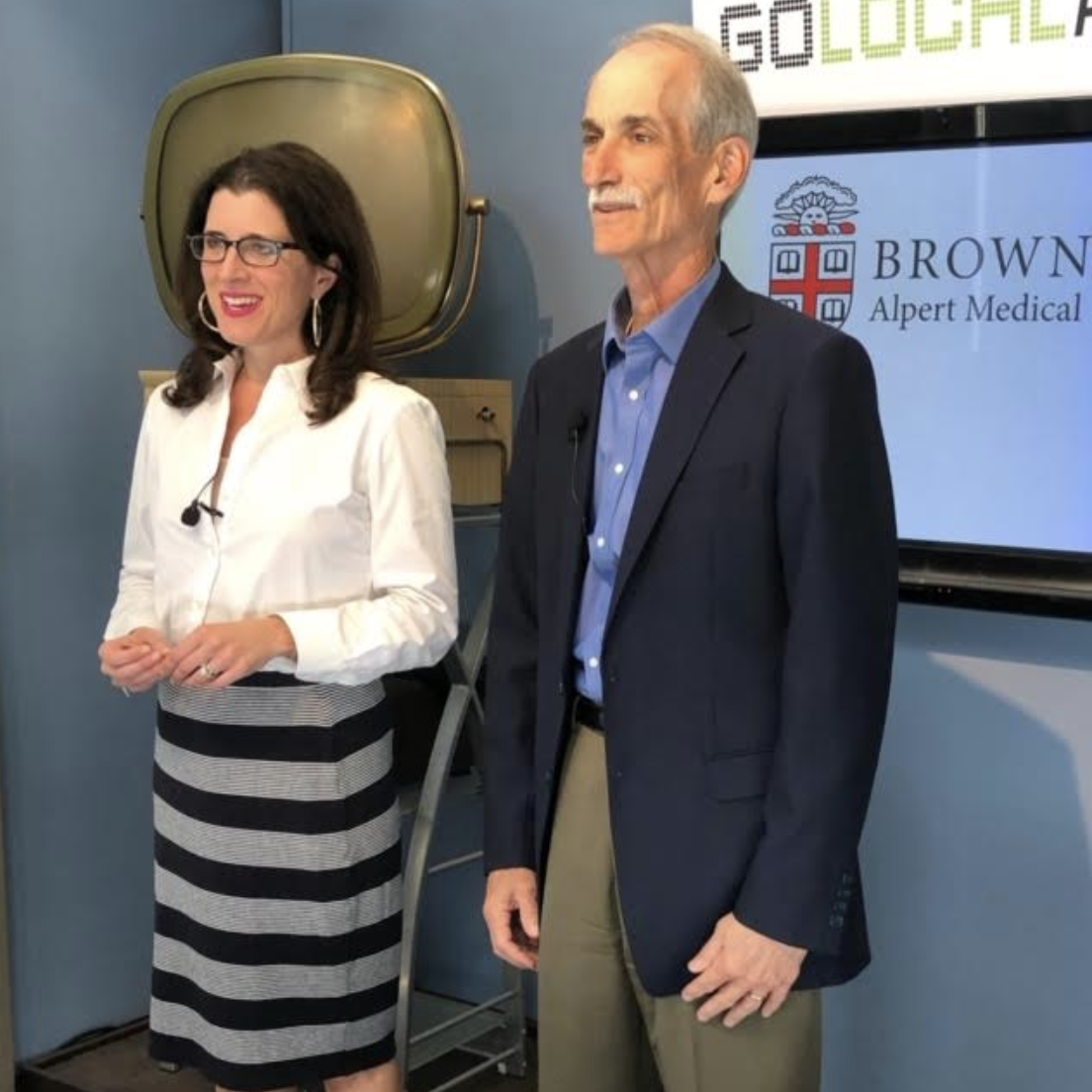
“So many people are affected [by Alzheimer’s] and that number’s going to grow as the population ages, and aging is the biggest risk factor for conditions like Alzheimer’s,” said Salloway, who is the Martin M. Zucker Professor of Psychiatry and Human Behavior and Professor of Neurology at Brown, and Chief of Neurology and Director of the Memory and Aging Program at Butler Hospital. “The cost of care is greater than that for heart disease and for cancer now — and it’s going to grow. It’s something we really have to take seriously and we’re working very hard for a breakthrough.”
“The goal is really to prevent Alzheimer’s and one of the things here in Rhode Island with the research taking place at the Warren Alpert Medical School — Rhode Island is helping to lead the way in the fight against Alzheimer’s — and I think Rhode Island and Brown are the right size for this,” said Salloway. “It’s a real person-to person kind of state and what’s so great about working on our programs is we’re focused on prevention of Alzheimer’s, we have so many great volunteers.”
“We have an Alzheimer’s prevention registry where people can either sign up online or over the phone to find out what’s going on with the research and see if that’s something they’re interested in doing,” said Salloway.
Learn more about the registry HERE
“We just have the best the most inspiring volunteers because usually the people who are most motivated are people who have had Alzheimer’s in their family, so they know what it is to care for a parent or sibling — and they don’t want to get it and they don’t want their children [to] and want to protect their children and grandchildren,” said Salloway.
Making Progress
Salloway spoke to the investments being made at Brown University, including the $100 million gift for its brain science institute from alumnus Robert and Nancy Carney to quicken the pace of scientific discovery and help find cures for diseases such as ALS and Alzheimers, and the advances that he sees.
“It’s a very exciting time and I think we’re in the right place to really make progress,” said Salloway. “We now have developed better tests so we can do a cheek swab and see if a person is carrying one or two [genes] of the most common risk gene for Alzheimer’s.”
“We now have brain scans that can see the buildup of the proteins in the brain — the plaques and tangles…many years before memory loss. These are things we didn’t have before,” said Salloway. “And they’ve only happened because Rhode Islanders and people across the US and other countries have volunteered to make this happen, so now we have the tools to start to detect who’s at risk well before memory loss that that’s where prevention comes in.”
“And now we’re developing treatments to actually remove the proteins and hopefully slow down the memory loss,” said Salloway. “I think we’re going to have the biggest impact in this stage — while memory is still OK.”
“The earlier we go [with treating Alzheimer’s] the more effective we’re going to be at either preventing or delaying Alzheimer’s,” said Salloway. “We need volunteers — we need you folks out there to find out more [about] what’s going on.”
"Smart Health" is a sponsored content series by the Warren Alpert Medical School at Brown University