


Soda Wars: Battle at State House Pits Health and Hunger Groups Against “Sugary Drink” Companies
GoLocalProv News Team
Soda Wars: Battle at State House Pits Health and Hunger Groups Against “Sugary Drink” Companies
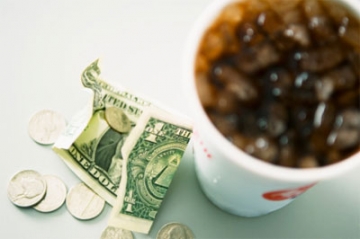
The showdown took place Monday before the Senate Finance Committee.
GET THE LATEST BREAKING NEWS HERE -- SIGN UP FOR GOLOCAL FREE DAILY EBLASTThe community groups are calling for a tax on sugary drinks to provide dollars to more dollars to close the hunger gap in Rhode Island. The RI FoodBank reported earlier this year that hunger in the state has hit the depths of The Great Depression.
“The groundswell of support to help Rhode Island SNAP recipients expand their purchasing power has been amazing, as demonstrated by this evening’s hearing,” said Dr. Amy Nunn, Executive Director of the Rhode Island Public Health Institute, which is leading the NourishRI Coalition. “With one in four people in our state not knowing where their next meal may come from, Rhode Islanders know this important legislation will help alleviate food insecurity among our most vulnerable populations.”
NourishRI Coalition says that If passed, S0327 (sponsored by Senator Valarie Lawson) and H5715 would create a Retail SNAP Incentive Program that would provide a 50% discount on fresh fruits and vegetables in grocery store settings for Rhode Island families and children who receive Supplemental Nutrition Assistance Program (SNAP) benefits. The program would be funded by implementing a 1.5 cent per ounce tax on unhealthy sugary drinks, including non-diet soda, sports drinks, fruit drinks with added sugar, and energy drinks.
Establishing the Retail SNAP Incentive Program will also be a win for Rhode Island’s economy by boosting purchasing power for consumers in our grocery stores – an estimated $20-$30 million. Data from other areas where these programs have been successfully implemented demonstrate that consumers substitute water for sugary drinks. Studies from other cities demonstrate that tax revenue can be successfully re-invested to reduce childhood hunger and obesity, and to improve healthy food access in communities that need it most.
Beverage Industry Opposes Legislation
The beverage industry says the legislation is bad for business.
“Rhode Island businesses have struggled to get through a historic economic downturn, and many Rhode Islanders have lost jobs and wages in response. This proposed tax on beverages will hurt working families, supermarkets and other Rhode Island businesses and their employees hardest,” said Lorelei N. Mottese of Wakefern Food Corporation, which has six supermarkets in Rhode Island and employs over 300 people here under the PriceRite banner in economically distressed areas.
Last week, Speaker of the House Joe Shekarchi told GoLocal that he is looking at the proposed sugary drink tax.
"I know that this is [Representative Jean-Philippe] Barros' bill and he’s been a strong proponent. I also know the [beverage] industry has been a strong opponent," said Shekarchi. "There are pluses and minuses, and we’ll consider it in due course. I can see the benefits of limited sugary drink tax, I’m just not sure what that is."
But, the beverage industry brought out supermarkets and others to try to block the initiative.
“The pandemic has negatively impacted the Rhode Island economy and citizens across the state,” said Gordon Reid, president of The Stop & Shop Supermarket Company, LLC, which employs approximately 3,200 people in 26 stores in Rhode Island. “As we begin to recover, now is not the time to impose a new tax of 1.5 cents per ounce for a multitude of beverages. During these challenging times, this new tax will burden families while they are still recovering and need our support.”
But some business leaders said the move from sugary beverages is needed. “As General Manager of Urban Greens and as someone who has over 46 years of experience in the retail grocery industry, I know firsthand how deeply impactful and beneficial this proposed legislation would be to both the retail grocery industry and to SNAP beneficiaries, who will need it most,” testified John Santos, General Manager of Urban Greens Co-Op Grocery Market, a Nourish RI Coalition member.
“This legislation is long overdue and will benefit the communities and children at highest risk for hunger by offering them better access to fresh fruits and vegetables”, said Mario Bueno, Executive Director of Progreso Latino, Inc., a community-based organization serving the Latino and immigrant community. “Obesity particularly affects low-income communities and children of color, resulting in serious but preventable chronic health conditions. This legislation is an important step in lowering the rate of childhood obesity in Rhode Island.”
Steven J. Arthurs, president & CEO of the Rhode Island Food Dealers Association, said “the net result of such a tax would negatively impact many of our members. In particular, the retailers and beverage distributors, which are already heavily burdened with regulations and high cost of doing business in Rhode Island, will be detrimentally affected by this legislation.”
“In short, this legislation hurts Rhode Island businesses and ultimately, the Rhode Island consumer,” Arthurs said.