


Grindr User Data Has Been for Sale for Years, According to WSJ Investigation
GoLocalProv Business Team
Grindr User Data Has Been for Sale for Years, According to WSJ Investigation
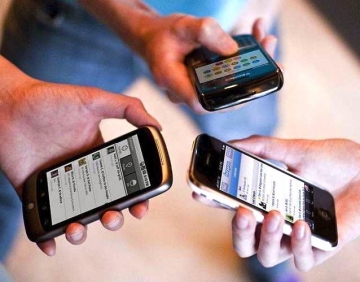
Grindr was one of the first “geosocial” apps for gay men when it launched in 2009, allowing members to create a personal profile — and share their GPS location.
“Today, Grindr proudly represents a modern LGBTQ lifestyle that’s expanding into new platforms. From social issues to original content, we’re continuing to blaze innovative paths with a meaningful impact for our community. At Grindr, we’ve created a safe space where you can discover, navigate, and get zero feet away from the queer world around you,” says the app.
GET THE LATEST BREAKING NEWS HERE -- SIGN UP FOR GOLOCAL FREE DAILY EBLASTUsers’ locations, however, have been sold for years, according to the WSJ.
“The precise movements of millions of users of the gay-dating app Grindr were collected from a digital advertising network and made available for sale, according to people familiar with the matter,” reported the WSJ.
The publication continues:
The commercial availability of the personal information, which hasn’t been previously reported, illustrates the thriving market for at-times intimate details about users that can be harvested from mobile devices. A U.S. Catholic official last year was outed as a Grindr user in a high-profile incident that involved analysis of similar data.
National-security officials have also indicated concern about the issue: The Grindr data were used as part of a demonstration for various U.S. government agencies about the intelligence risks from commercially available information, according to a person who was involved in the presentation.
The data didn’t contain personal information such as names or phone numbers. But the Grindr data were in some cases detailed enough to infer things like romantic encounters between specific users based on their device’s proximity to one another, as well as identify clues to people’s identities such as their workplaces and home addresses based on their patterns, habits and routines, people familiar with the data said.
According to WSJ, when reached for comment, Grindr said has “curtailed” the data it shares.
“Since early 2020, Grindr has shared less information with ad partners than any of the big tech platforms and most of our competitors,” a spokesman for Grindr said in a statement. He said the company pays a price for reducing the data shared, including lesser ad quality for users and lower revenue. The spokesman added: “The activities that have been described would not be possible with Grindr’s current privacy practices, which we’ve had in place for two years.”