


Eating for Pleasure Triggers Overeating
GoLocalProv Health Team
Eating for Pleasure Triggers Overeating
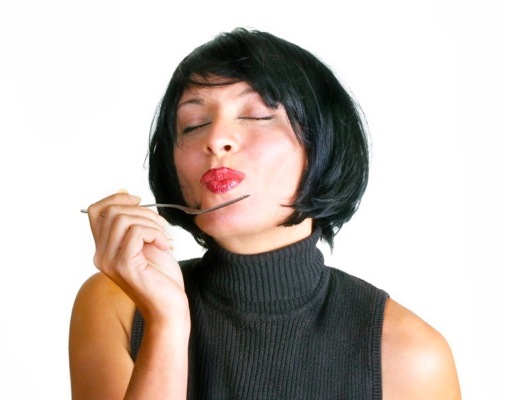
Hedonic hunger
It's called "hedonic hunger," according to Palmiero Monteleone, MD, of the University of Naples SUN in Italy and lead author of this study. "It refers to the desire to eat for pleasure, and to enjoy the taste, rather than to restore the body’s energy needs,” he said. “For example, desiring and eating a piece of cake even after a satiating meal is consumption driven by pleasure and not by energy deprivation." Doctor Monteleone said that the physiological process underlying hedonic eating is not fully understood, but it's likely that substances in the body regulating reward mechanisms like the hormone ghrelin and chemical compounds such as 2-arachidonoylglycerol (2-AG) are involved.
“Hedonic hunger may powerfully stimulate overeating in an environment where highly palatable foods are omnipresent, and contribute to the surge in obesity,”said Dr. Monteleone. “Understanding the physiological mechanisms underlying this eating behaviour may shed some light on the obesity epidemic. Further research should confirm and extend our results to patients with obesity or with other eating disorders in order to better understand the phenomenon of hedonic eating."
GET THE LATEST BREAKING NEWS HERE -- SIGN UP FOR GOLOCAL FREE DAILY EBLASTMiriam expert weighs in
GoLocal spoke to Kathryn Demos, Ph.D., a researcher with The Miriam Hospital’s Weight Control and Diabetes Research Center, about its implications for Rhode Islanders.
Is this study telling us that it's unhealthy to eat for pleasure?
The study is suggesting that eating for pleasure, when our bodies really don’t need any more food, can lead to overeating and potentially unhealthy weight gain. This doesn’t mean we shouldn’t enjoy or take pleasure in our food as we eat, it means that there are certain chemical processes that could contribute to the overconsumption of certain foods if we are not mindful of what we are eating.
How can we separate the motivations for eating in our daily lives?
It’s important to try and recognize the difference between cravings and hunger. When we’re hungry, our bodies need food to fuel the activities it’s working on. When we eat for hedonic pleasure, we’re going beyond the point of needing fuel and consuming for other reasons. It might be helpful to slow down and think about this to help understand why you might be eating.
Have you experienced this phenomenon anecdotally at the Center? In your own practice?
I think almost everyone can probably think of a time when a cupcake, cheesecake, or ice cream cone sounded delicious even though they just ate a meal. At that point, the drive to eat seems to be about the rewarding properties of the food, how good it tastes, and not the nutrition it’s going to give you.
What advice do you have for RIers who may be looking for ways to better control their eating habits, in light of this research?
One of the best things people can do to help control their eating habits is to monitor and write down everything they consume. The research from The Miriam Hospital’s Weight Control and Diabetes Research Center has shown this time and time again. Tracking what you eat will help you recognize the amount of food and calories you’re taking in, and can make you more mindful of when you’re eating more than what your body might need for fuel.
For more Health coverage, don't miss GoLocalTV, fresh every day at 4pm and on demand 24/7, here.