


Is Your Dog a Summertime Health Hazard?
GoLocalProv Health Team
Is Your Dog a Summertime Health Hazard?
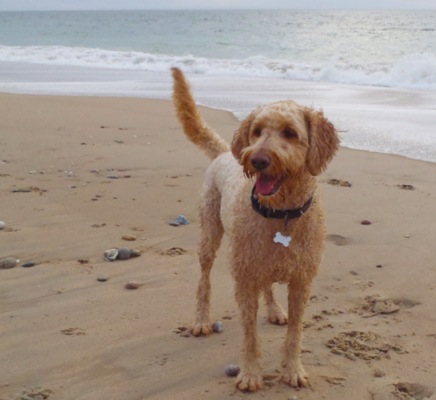
What happens if you don't scoop
Pet waste left on the street or lawn does not just go away or fertilize the grass. What happens instead is that rain washes pet waste down storm drains and into waterways like rivers, bays, and beaches. This can make people sick from salmonella, E. coli, and other infections. And pet waste is very toxic—the Environmental Protection Agency estimates that waste produced by just 100 dogs in two or three days (or one weekend) can contain enough bacteria to temporarily close a bay to swimming and shellfishing. Pet waste also provides a nitrogen source for algae blooms, which deplete the water of oxygen and can make people and animals sick.
"All Rhode Islanders have a role to play in keeping our beaches clean and healthy,” said Dr. Fine. “One of the most important actions pet owners can take is to clean up after their pets. Pet owners can make clean-up easy by keeping a few spare pet waste disposal bags in their car or bag.” HEALTH offers this 4-part plan for doing the right thing with you pet this summer.
GET THE LATEST BREAKING NEWS HERE -- SIGN UP FOR GOLOCAL FREE DAILY EBLASTKeep a supply of bags handy
When walking your pet, take a bag with you for quick waste pick-up. It helps to keep a supply of bags near your dog leash and to tie the bags on the leash if you don't have a pocket or pack. Consider re-using plastic newspaper bags or bread bags. Use the bag to pick up the waste, and tie it closed. When at home, long-handled “pooper scoopers” available at pet stores make it easy to pick up after pets without stooping over.
Dispose of pet waste properly
Place sealed bags of pet waste in the trash. It may help to double bag dog waste or kitty litter. Do not throw waste near or into storm drains, and do not dump kitty litter outside. Do not flush pet waste down your toilet.
Follow local rules and signs
-
State beaches do not allow dogs during the on-season from April 1 to September 30. (more)
-
Town beach rules may vary, but they are generally posted at the beach.
-
State parks and picnic areas require pet owners to clean up and properly dispose of animal waste. (more)
-
Some cities and towns have fines for not picking up waste on streets, in parks, or in dog parks.
Help others remember to scoop the poop
Don't let your pet pollute, and encourage those around you to be responsible pet owners, too.
For more Health coverage, don't miss GoLocalTV, fresh every day at 4pm and on demand 24/7, here.